Why?
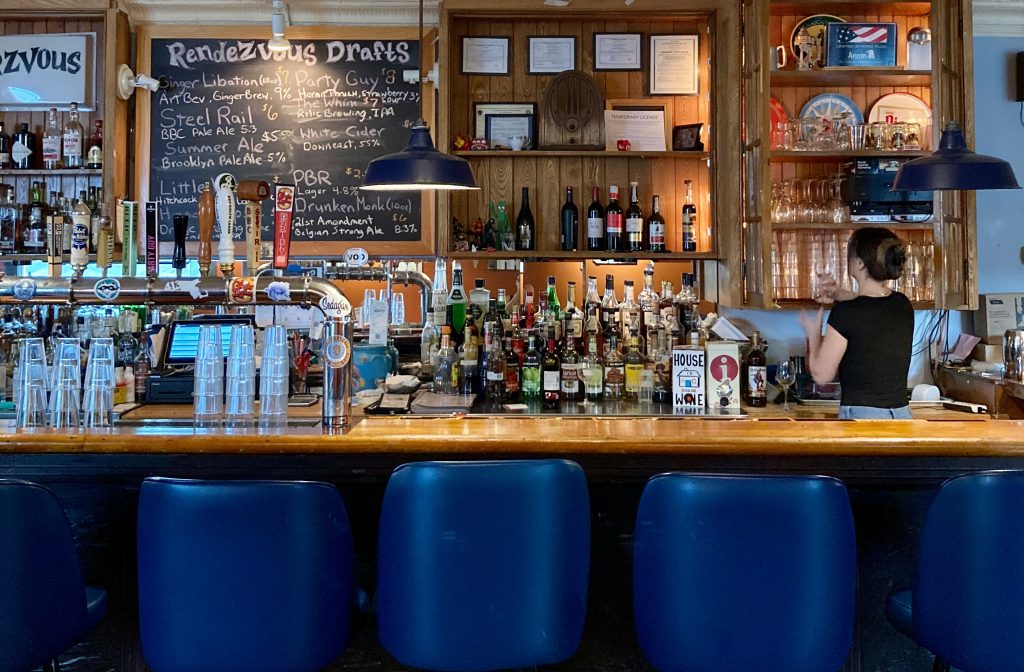
Protecting a Beloved Gathering Spot: Buying a community membership share ensures “Turners Falls’ Living Room” will be a permanent civic asset. It shields local culture from speculative real estate purchases and non-local landlords who may raise rents or alter business identities.
Building Real Wealth and Equity: Traditionally, hospitality workers rarely build equity in the establishments they serve. Becoming worker-owners grants staff direct ownership in both the business assets and the physical property.
Sustaining Arts & Entertainment: Democratic ownership guarantees that our diverse entertainment roster—from bluegrass and jazz to metal, hip-hop, bingo, and karaoke—continues for at least 3 to 5 nights a week.
Co-Creating the Next Chapter: Becoming a member-owner means engaging directly in the democratic lifecycle of the space. You will have a voice in major co-op decisions and a seat at our annual membership gatherings.
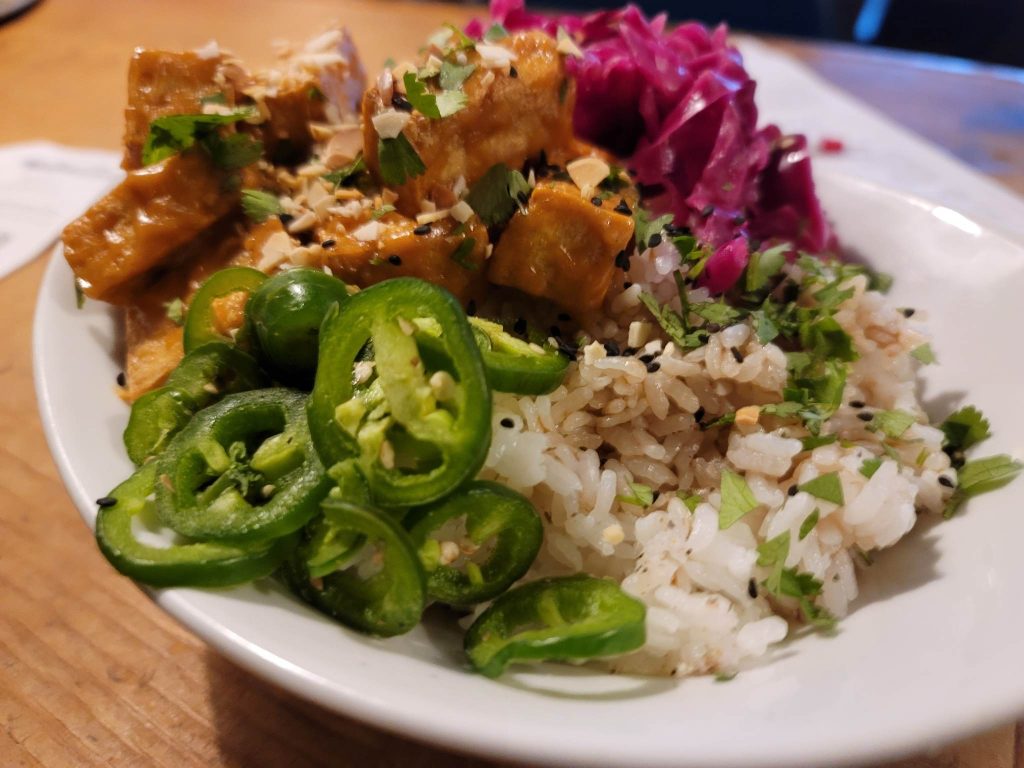
Day-to-Day Consistency: The Voo will maintain its signature food, drink, and entertainment offerings while empowering employees to guide the future of the business.
Maintaining Inclusive Culture: The co-op ensures that Turners Falls retains a funky, welcoming, and accessible gathering space that remains open and vibrant 7 days a week.
What? A Solidarity Co-operative!
The Rendezvous is going co-op! We—you, me, us—that is, the workers AND the community are joining together to run the Voo as a multi-stakeholder cooperative. A cooperative of this sort (also called a solidarity cooperative) keeps the money hyper-local, and it allows workers AND community owners to have control of the business and the real estate. Once complete, we will be one of only a few such cooperative restaurants in the country, collaboratively running the Voo—us together.
This change ensures that the Voo remains locally controlled for decades to come, with workers and the community owning and controlling the direction of the business. Both worker-owners and community-member-owners will vote for a Board of Directors that will serve as the governing body of the new co-op.
How did this happen?
This transition has been in the works since 2018, with the Covid pandemic throwing an especially large wrench into the process. With a proven profitability model now established under the proposed ownership, and and with guidance from cooperative-development nonprofits including ICA, CDI, and CFNE,, the transition is underway. Since mid-2024, a Steering Committee composed of both worker and community owners has been managing the organizational work necessary to ensure a viable and smooth transition.
How will it change the Voo?
As a cooperative, this new iteration of the Voo will look and feel very much like the old Voo. Customers, including those who become co-op members, will probably not notice much of a difference at all unless they’re on the Board of Directors or showing up for the annual meeting celebration. Workers’ day-to-day tasks and responsibilities will likewise be pretty much as they’ve always been. And you? You’ll still be welcome, and more essential than ever.